Blog
Fritole or Venetian Carnival fritters

Carnival has started and, together with it, fritole! I've always wanted to make them, but didn't find a good recipe. This year, I consulted both my new cooking bible "history of Venetian cooking", where you can find the original, XVIII century dated, recipe, as well as other website and at the end I put them toghether with this result
120g flour (some more could be needed if the dough is too liquid)
150cc warm water (I tried with milk, not bad at all!)
50g sugar + some more to dust (I liked them like this, my husband would like them sweeter, so you can add a little if you like)
50g raisins
30g pine-nuts
15g yeast
vegetable oil for deep-frying
a sip of grappa
Melt the yeast in warm milk, add flour little by little, sugar and grappa. Cover with a cloth and let it raise in a warm place until the dough doubles its volume. Meanwhile, soak the raisins in a little warm water and a sip of grappa. When the dough is ready, drain the raisins and add them to the dough, together with the pine-nuts. Use a tablespoon to make the fritole (fritters) and deep-fry them until well golden. Pay attention as it will easily happen that the inside remains raw, which is not good, so let them cook well (without burning them of course!).
Drain them and lay them on a dish with blotting paper and generously dust them with sugar. Serve hot and BUON CARNEVALE!
Fritole de la carnaval
Désolée je n'arrive à poster la version française qu'aujourd'hui! On est maintenant en plein carnaval, et comme chaque année on passe d'un café à l'autre pour choisir qui fait les meilleures "fritole"... cette année, grace à ma nouvelle Bible coulinaire, "Histoire de la cuisine vénitienne", plus d'autres recettes trouvées sur internet, j'ai voulu préparer ma version, la voici:
120g farine de blé
150cc eau tiède (j'ai essayé avec du lait, pas mal!)
50g sucre + d'autre pour saupoudrer (pour moi c'est bon comme ça, mon mari les aimes plus sucrées, donc vous pouvez en mettre un peu plus si vous voulez)
50g raisins secs
30g pignons de pin
15g levure
huile végétale pour la friture
une "goutte" de grappa
Dissoudez la lévure dans le lait, rajoutez la farine petit à petit et la grappa. Couvrez avec un chiffon et laisser lever la pâte dans un endroit tiède, jusqu'à quand elle a doublé son volume. Laissez tremper les raisins secs dans un peu d'eau et grappa. Quand la pâte est prête, égouttez les raisins et rajoutez-les à la pâte avec les pignons. Chauffez l'huile, formez les "fritole" à l'aide d'une cuillère à soupe et faites-les bien dorer. Attention car il est très facile que l'intérieur reste cru, ce qui n'est pas bon! Veillez donc à que la cuisson soit bien terminée (test pas trop professionel: goutez la première pour tester le temps de cuisson!). Roulez les fritole dans du sucre, servez chaud et... BON CARNAVAL!
Risi e bisi
I received from Santa a very nice book: History and Origin of Venetian cooking by Giampiero Rorato; very interesting as it explains all of the influences during history which brought to nowadays dishes. So, I can now try and share with you plenty of traditional recipes! One of these is risi e bisi (rice and peas), which I actually used to prepare before as well, but I can now share with the authority of the printed book. Enjoy!For 4
400g peas
200g rice (1 espresso cup per person + 1 for the pot)
50g bacon
3 tbsp olive oil
1/2 onion
chopped parsley
stock
grated Parmesan cheese
salt
Chop the onion and bacon and stir-fry them in a little olive oil in a high-sided pan or pot; add the peas and let them cook for about 15 minutes (my advice: moisture with stock if they become too dry). Add the rice, stir well, add salt and start adding the stock, boiling temperature, ladle by ladle, until the rice is cooked. Risi e bisi is usually a little more creamy and soup-like than ordinary risotto. Before serving, add Parmesan cheese and chopped parsley.
Optional: you can replace the stock with a peas pods one, it will give the risi e bisi a slightly green colour.
Risi e bisi
Cette anné le Père Noël m'a apporté un très beau livre: Origines et Histoire de la Cuisine Vénitienne, par Giampiero Rorato. C'est très intéressant, car il explique les influences diverses qui, au cours de l'histoire, ont rammené aux plats d'aujourd'hui. Alors, maintenant je peux essayer et partager avec vous plein de recette traditionnelles! Pour commencer, le risi e bisi, que je préparais aussi avant de récevoir ce bouquin, mais je vous transmets la recette originale.
Pour 4
400g petits pois
200g riz (1 tasse à expresso par personne + 1 pour la casserole)
50g lardons
3 cuillères de huile d'olive
1/2 oignon
bouillon
persille haché
Parmesan rapé
Hachez l'oignon et les lardons et faites-les sauter dans une casserole avec l'huile d'olive; rajoutez les petits pois et laissez cuisiner pendant 15 minutes (mon conseil: baignez avec du buillon s'ils deviennent trop secs). Rajoutez le riz, remuez bien, salez et continuez la cuisson en rajoutant le bouillon, bouillant, à la louche. Risi e bisi ont une texture plus onctueux et tendant à la soupe par rapport au risotto traditionnel. Quand le riz est cuit, rajoutez le Parmesan rapé et le persille.
Option: remplacez le bouillon traditionnel avec un bouillon fait avec les gousses des petits pois: ça va donner un ton vert à votre plat!
Grouper fillets with orange and basil

After all the Christmas meat and salami, it's really time for some fish! This recipe is really refreshing, delicate and good for kids and parents...
For 4
4 grouper fillets
juice of 1 orange and 1/2 lemon
basil leaves (about 12)
olive oil
salt
Press the orange and lemon to obtain juice. Heat up a little olive oil in a large, non-sticky pan, then gently lay the grouper fillets and brown them on both sides, being careful not to break them. Salt on both sides. Pour the orange+lemon juice and let the fish cook in order to reduce the sauce a little bit. Serve hot (here, with roast potatoes) with chopped basil leaves. Good!
Filets de mérou aux agrumes et basilic
Après la grande bouffe de viande et salami de Noël, il faut vraiment du poisson! Cette recette est rafraichissant, au goût délicat et adapté aux enfants et leurs parents aussi...
Pour 4
4 filets de mérou
le jus d'1 orange et 1/2 citron
feuilles de basilic (une douzaine)
huile d'olive
sel
Pressez les agrumes pour obtenir le jus. Chauffez un filet d'huile d'olive dans une poêle anti-adhésive, puis posez délicatement les filets, salez et faites dorer sur les 2 cotés, en faisant attention à ne pas les casser. Versez le jus des agrumes, cuisinez-y le poisson et faites réduire légèrement la sauce. Servez chaud (ici, avec pommes rissolées) avec des feuilles de basilic hachez. C'est bon!
Month promotion
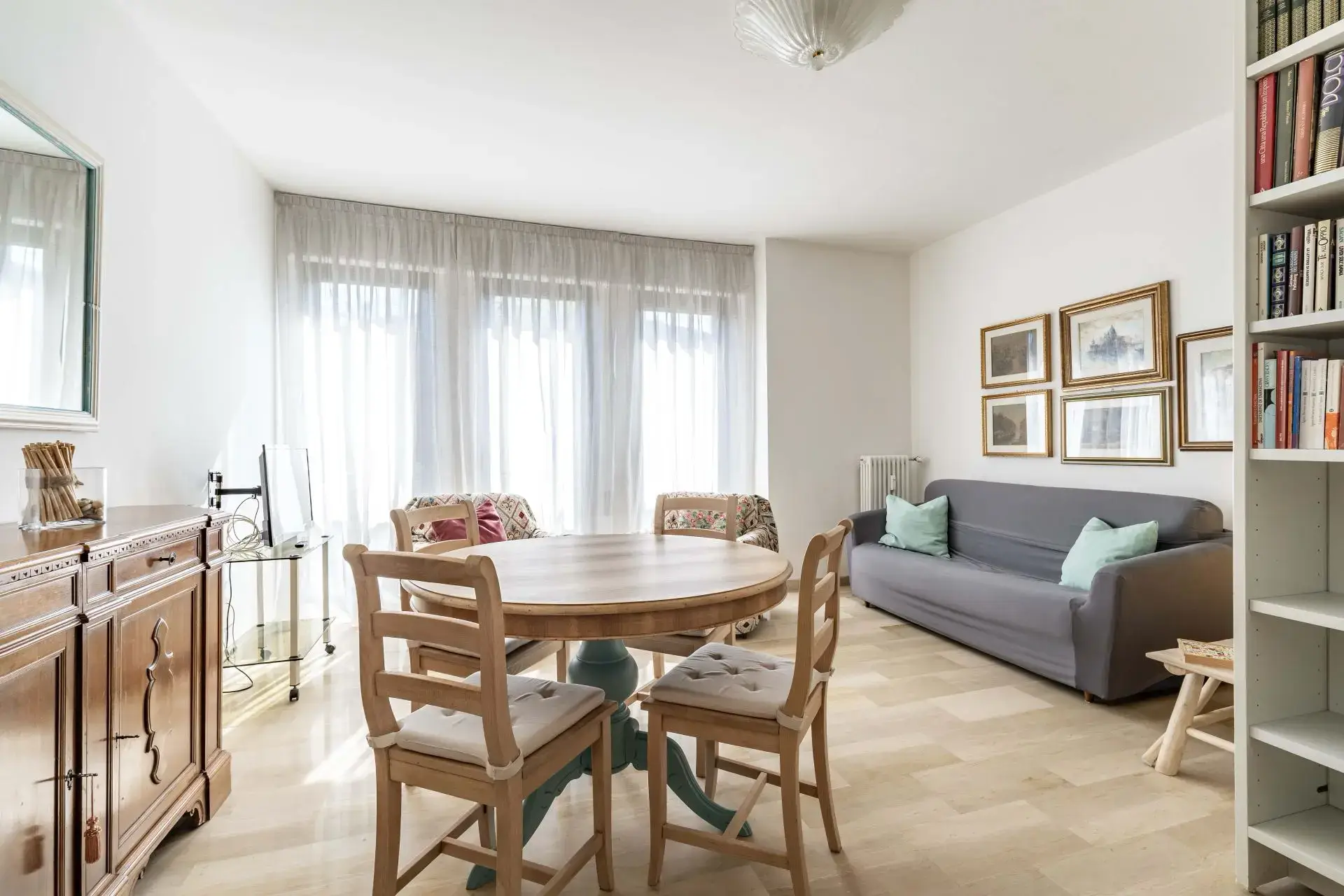
Leonardo apartment
Our monthly promotion for your Venice vacation!
Venice apartments map
Venice is divided into 6 districts (sestieri): San Marco, Castello, Cannaregio, San Polo, Santa Croce and Dorsoduro. Click on the district you need to check the location of our apartments in Venice, as well as the main landmarks: Rialto Bridge, the Grand Canal, Saint Mark's square and the vaporetto (water-bus) stops.
For a complete map of Venice click here.